A dog’s digestive system does far more than process meals. It works like a control center that influences immunity, energy, skin comfort, and mood. Inside the intestines lives a dense ecosystem of bacteria, yeast, and other microbes.
Some support health. Others create stress when they multiply too quickly. When balance exists, nutrients are absorbed efficiently, and the immune system stays steady. When an imbalance occurs, small issues appear and often grow. Stool changes, dull coats, and low stamina can all begin here.
This is why many caretakers now view probiotics for dogs as foundational care rather than an occasional supplement used only after illness.
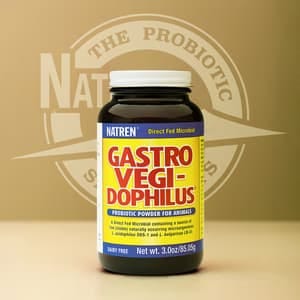
Microbial Weather Patterns: How Daily Life Shifts the Balance
A dog’s gut changes constantly, much like the weather. Small influences build over time. A boarding stay, a new treat, or a short course of medication can disrupt bacterial stability. These shifts are rarely dramatic at first. Instead, they show up as mild gas, softer stools, or reduced appetite. Over weeks, repeated disturbances make recovery slower.
Supporting the microbiome during these moments can help maintain internal steadiness. Regular use of probiotics for dogs introduces beneficial organisms that compete with harmful ones and help normalize digestion.
Think of them as gentle stabilizers that prepare the gut for life’s routine stresses without overwhelming the system.
Strain Identity Cards: Why Specific Cultures Matter More Than Big Numbers
Many products advertise large colony counts. Yet numbers alone do not tell the full story. Each strain behaves differently inside the body. Some prefer the small intestine. Others work deeper in the colon. Identified strains allow predictable results because their behavior has been observed and documented. Without this detail, effectiveness becomes guesswork. Reliable probiotics for dogs list species and strains clearly and guarantee that live cultures remain active through the expiration date.
This level of transparency reflects careful formulation and responsible handling. It also helps pet owners choose with confidence rather than relying on marketing language that sounds impressive but lacks substance.
The Stool Story: Reading Digestive Clues Like a Caregiver
Digestive health often speaks quietly. You just need to notice the signs. Changes in stool consistency, frequency, or odor provide useful information about the gut environment. Loose or irregular stool may indicate that beneficial bacteria are struggling to keep balance.
Chronic minor issues can affect nutrient absorption and energy over time. Supporting the microbiome early can help avoid larger concerns later.
This is one reason many veterinarians suggest probiotics for dogs when patterns start to shift. Small adjustments today often prevent a longer recovery tomorrow. Paying attention to everyday details keeps care proactive instead of reactive and supports steadier wellness.
Quiet Signals Owners Often Miss During Everyday Care
Small signs often speak louder than sudden illness. Listening early protects long-term health.
Dogs rarely complain directly. Instead, they show discomfort through subtle habits. A little extra scratching or slower recovery after play can point to an internal imbalance. These clues are easy to overlook during busy days, yet they matter.
- Intermittent loose stool or mucus
- Excessive paw licking or mild itching
- Bad breath linked to digestion
- Frequent grass eating
- Low enthusiasm at mealtime
- Gas after routine foods
Introducing probiotics for dogs during these stages can help stabilize the microbiome before problems escalate. Early attention keeps minor signals from becoming major setbacks.
Life Stage Checkpoints: Puppies, Adults, and Seniors Need Different Support
A dog’s microbial needs change with age. Puppies are building their immune systems and still forming their gut flora. Early stressors, like weaning or travel, can disturb that process. Adult dogs face environmental shifts and dietary variety. Seniors often digest food more slowly and may struggle with absorption.
Each stage benefits from steady microbial reinforcement. Thoughtfully formulated probiotics for dogs can help establish stability in young dogs and maintain resilience in older ones. This approach focuses on prevention rather than correction.
Supporting the gut throughout life creates a smoother path and helps dogs stay active, comfortable, and responsive to daily routines.
The Science Desk: What Research and Practice Actually Show
Good decisions come from evidence, not hype or guesswork. Veterinary studies and clinical experience both suggest that certain probiotic strains help regulate digestion and immune responses.
While probiotics are not medications, they can play a supportive role in recovery and maintenance. Evidence shows improvements in stool consistency and reduced duration of digestive upset when targeted strains are used.
- Shorter recovery after antibiotic use
- More regular bowel movements
- Better tolerance of diet transitions
- Reduced mild inflammation markers
- Improved nutrient uptake in some cases
These findings explain why many clinicians recommend probiotics for dogs as part of routine care. Science supports steady, practical use rather than occasional fixes.
Delivery Mechanics: Getting Live Cultures Safely to the Gut
Even the right bacteria fail if they never reach the intestines alive. Handling matters as much as formulation. Heat, light, and moisture can damage delicate cultures before they are consumed.
Proper storage and packaging protect potency and maintain stability. Without these steps, labels may promise benefits that never occur.
- Refrigeration when required
- Moisture-resistant containers
- Clearly dated potency guarantees
- Gentle manufacturing processe
- Accurate dosing instructions
Reliable probiotics for dogs consider the entire journey from production to bowl. Closing statement: Protection during delivery ensures the bacteria can actually do their job.
Everyday Integration: Simple Habits That Make Supplements Work
Consistency shapes results. Sporadic use rarely changes the microbiome in a meaningful way. Adding probiotics to a daily feeding routine keeps levels steady and encourages beneficial bacteria to colonize effectively. Start with smaller amounts, then increase gradually to avoid temporary gas. Mixing powders into food or offering capsules with meals keeps things easy. Regular timing helps dogs adjust smoothly.
Over time, probiotics for dogs become just another part of care, like brushing or walking. The process should feel natural and low effort. When habits are simple, families are more likely to stick with them and see steady improvements.
Choosing with Clarity in a Crowded Pet Aisle
Pet stores and online shelves are filled with bold promises. Labels may sound convincing, but lack useful detail. Instead of focusing on flashy claims, review the fundamentals. Look for transparency, careful manufacturing, and clear strain information. Products that share how they protect cultures during storage show greater accountability.
Trustworthy probiotics for dogs focus on practical function rather than dramatic language. Straightforward communication often signals thoughtful formulation. Choosing calmly and reading labels closely helps avoid unnecessary additives or ineffective blends.
A measured approach saves time, money, and frustration while supporting real digestive stability for your dog.
Conclusion
Caring for a dog’s health means looking beyond what is visible. The gut influences digestion, immunity, skin comfort, and daily energy. When the internal ecosystem stays balanced, the whole body tends to function more smoothly.
Consistent use of probiotics for dogs offers a gentle, practical way to support that balance without complicated routines. Choose products with defined strains and careful handling. Introduce them gradually and stay steady with daily use.
Over weeks, small changes often become noticeable improvements. A stable microbiome creates resilience, helping dogs handle stress, diet shifts, and aging with greater ease and comfort.