The gut is far more than a digestive center. It is a complex ecosystem that affects immunity, mood, energy levels, and overall health. Tiny microbes, known as probiotics, play a crucial role in maintaining this balance.
These living organisms help regulate digestion, support nutrient absorption, and keep harmful bacteria in check. Probiotics for gut health promote a balanced microbial environment, which improves digestive comfort. They also support immune function and contribute to mental well-being.
Understanding how these microbes function can transform the way you care for your body and make wellness a more holistic, proactive process.
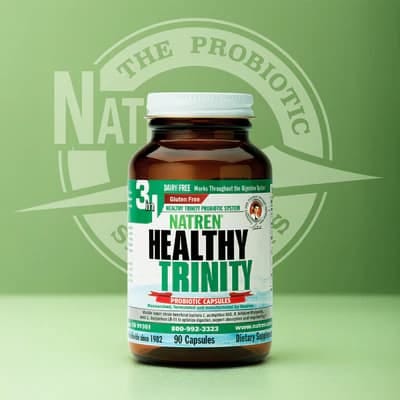
The Silent Engineers in Your Gut
The gut contains trillions of microorganisms working like invisible engineers. They maintain balance, support digestion, and influence the immune system. Probiotics act as allies, strengthening this ecosystem.
Key Roles of Probiotics in the Gut:
- Restoring Balance: They crowd out harmful bacteria, ensuring beneficial microbes thrive.
- Nutrient Support: Enhance absorption of vitamins and minerals from food.
- Immune Modulation: Communicate with gut-associated immune cells to boost defenses.
- Digestive Efficiency: Helps break down complex foods like fiber for smoother digestion.
- Gut Lining Protection: Supports the intestinal barrier, reducing inflammation and permeability.
Probiotics are more than supplements. They are microscopic engineers maintaining harmony in your gut. Consistent use of probiotics for gut health helps sustain this invisible workforce, improving digestion and immunity over time.
Digestive Ecosystem: More Than Bowel Movements
The digestive system is more than just a pathway for food; it is a central part of overall health. When gut balance is disrupted, it can lead to uncomfortable symptoms like bloating, irregular bowel movements, fatigue, or weakened immunity.
Research increasingly shows that gut health also affects mood, stress levels, inflammation, and even skin condition. Supporting the gut with probiotics for gut health helps restore microbial balance, improving not only digestion but also overall wellness.
By nurturing your gut, you strengthen your body’s natural defenses and promote long-term energy, vitality, and resilience.
Strain Diversity: The Secret Ingredient
Not all probiotics are created equal. Each strain performs specific functions. Some focus on digestion, others on immunity, and a few influence nutrient absorption or mood. Understanding this diversity is crucial to maintaining long-term gut balance.
Why Strain Diversity Matters:
- Targeted Effects: Different strains address specific digestive or immune needs.
- Survival Through Digestion: Some strains survive stomach acid better, ensuring they reach the intestines alive.
- Symbiotic Support: Multiple strains work together, enhancing each other’s effects.
- Adaptation to Lifestyle: Specific strains may better complement diet, stress levels, or age.
- Preventing Imbalance: Diverse strains reduce the chance of harmful bacteria overgrowth.
Conclusion: Selecting probiotics with multiple well-studied strains maximizes their benefits. Consistently including probiotics for gut health ensures a rich microbial community, supporting overall wellness.
Fermentation: Nature’s Microbial Workshop
Fermented foods are natural carriers of probiotics, introducing live beneficial bacteria directly to the gut. Yogurt, kefir, kimchi, miso, and sauerkraut are common examples that can support digestion and microbial diversity. Fermentation not only preserves nutrients but also creates an environment where good bacteria thrive.
While these foods help, supplements provide precise, reliable doses of probiotics for gut health, ensuring specific strains reach the intestines alive. Incorporating fermented foods regularly can complement supplements and support the gut ecosystem. Together, fermented foods and probiotics strengthen microbial balance, improve digestion, and enhance immunity, creating a foundation for overall wellness.
Daily Habits That Empower Microbes
Healthy gut bacteria thrive when supported by proper lifestyle habits. Fiber-rich foods act as prebiotics, feeding probiotics and encouraging microbial diversity. Staying hydrated ensures smooth digestion and supports bacterial function.
Regular physical activity promotes gut motility and can positively influence the microbiome. Minimizing processed foods, sugar, and excessive alcohol reduces harmful bacterial growth. Combined with consistent use of probiotics for gut health, these habits create an optimal environment for beneficial microbes to flourish.
Over time, maintaining these routines improves digestion, immunity, and energy levels. Small daily actions can significantly enhance microbial balance and overall health.
Gut Signals: When to Consider Probiotics
Your gut often signals when it needs support. Frequent bloating, irregular bowel movements, or mild digestive discomfort may indicate an imbalance. Even subtle symptoms like fatigue, low energy, or brain fog can be linked to microbial disruption.
Using probiotics for gut health consistently can help restore balance, reduce discomfort, and improve digestive efficiency. Those who experience occasional digestive issues, immune fluctuations, or dietary changes may also benefit from probiotics.
Paying attention to these signals allows early intervention, supporting long-term gut stability. Regular probiotics use fosters a balanced microbiome, helping the body perform optimally and maintain overall wellness.
Timeframe of Transformation
The effects of probiotics depend on individual microbiomes, diets, and routines. Some notice improvements within days; others may require weeks or months. Consistency is more important than immediate results.
Typical Timeline with Probiotics:
- First Week: Minor changes, such as reduced bloating or slight improvements in bowel regularity.
- 2–4 Weeks: Noticeable changes in digestion, energy, and mild reduction of discomfort.
- 1–3 Months: Enhanced nutrient absorption, stronger immune response, and overall digestive stability.
- Long-Term Use: Sustained microbial balance, prevention of digestive issues, and improved systemic health.
Patience is key. Regular use of probiotics for gut health builds a stable gut ecosystem over time, gradually improving digestion, immunity, and overall vitality.
Safety and Practical Tips
Probiotics are generally safe for most healthy adults. Mild side effects, such as temporary bloating or gas, may occur initially but usually subside. People with weakened immune systems or serious medical conditions should consult a healthcare professional before starting supplementation. Proper storage, like refrigeration for certain strains, ensures probiotics remain alive and effective.
Following the manufacturer’s instructions regarding dosage and timing maximizes benefits. Consistent use of probiotics for gut health alongside a balanced diet improves digestive comfort and supports immunity. It also helps maintain a healthy microbial balance in the gut. Choosing reputable sources and proper handling ensures safety and effectiveness over time.
Beyond Digestion: Systemic Impacts
A healthy gut influences far more than just digestion. The microbiome interacts with the immune system, aiding defense against pathogens. It also contributes to nutrient absorption, energy metabolism, and even mental health through the gut-brain connection.
Regular use of probiotics for gut health helps maintain microbial diversity and balance, which supports systemic wellness. A resilient gut can improve mood, reduce inflammation, and enhance energy levels. By caring for the microbiome, you promote not only digestive comfort but overall vitality.
Supporting your gut ecosystem is a proactive step toward long-term health that touches every system in the body.
Conclusion
Probiotics are living partners that support the gut ecosystem, improving digestion, immunity, and overall health. Regular use of probiotics for gut health, along with fiber-rich foods and fermented products, strengthens microbial balance. Incorporating healthy lifestyle habits further enhances gut resilience and overall wellness.
Paying attention to gut signals and maintaining consistent supplementation helps prevent digestive discomfort. Supportive routines also promote energy, mental clarity, and overall systemic wellness. Over time, nurturing the gut microbiome lays the foundation for long-term vitality.
By embracing probiotics and mindful habits, you empower your digestive system to function efficiently, creating a healthier, more balanced body from the inside out.