Because of this, swallowing a capsule at a random hour can lead to inconsistent results, even when the formula itself is well-made. The difference often comes down to understanding the best time to consume probiotics and aligning that moment with your body’s natural rhythm.
Many people expect immediate changes from supplements, yet probiotics function more like gardeners than firefighters. They gently nurture balance inside the gut over days and weeks. Timing helps create a welcoming environment so those microorganisms can settle in and do their job effectively. When you respect your digestive clock, probiotics tend to feel smoother, steadier, and more reliable.
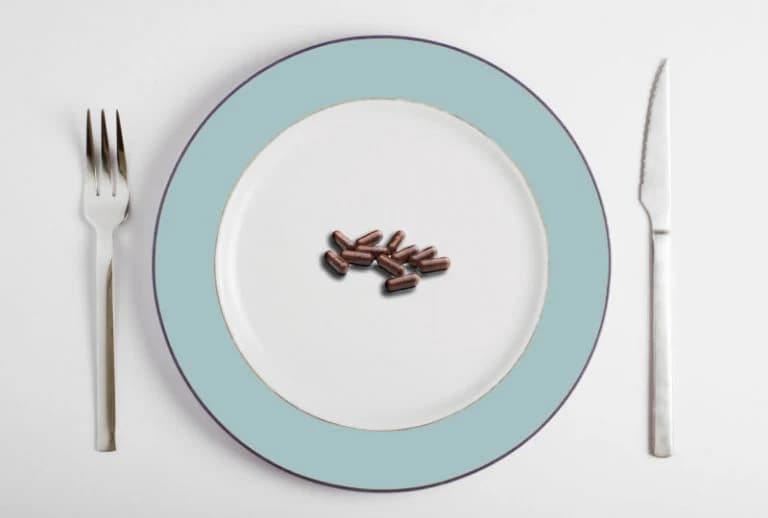
Your Stomach Is Not a Static Space — It’s a Moving Landscape
The stomach is not the same at 7 a.m. as it is at 7 p.m. Its chemistry shifts throughout the day. Acid levels rise to break down meals and drop when the system rests. Movement speeds up after eating and slows during fasting periods. These changes form a kind of internal weather pattern that affects bacterial survival.
When the acid is high, many microorganisms struggle. When the acid is lower, they pass through more easily. This is the basic science behind choosing the best time to consume probiotics. You are not just taking a supplement; you are navigating a changing environment.
By working with that environment instead of against it, you improve the odds that more beneficial bacteria reach the intestines alive.
The “Low-Acid Window”: A Hidden Opportunity During the Day
Between meals, especially after several hours without food, the stomach often produces less acid. This quieter phase can serve as a helpful window for probiotic intake. The journey through the stomach becomes less stressful, which may allow more organisms to survive the trip.
Many clinicians suggest that the best time to consume probiotics falls within this low-acid window. This might mean early morning before breakfast or later in the evening after dinner has fully digested. Both options provide a calmer setting compared to taking probiotics during a heavy meal.
This strategy is simple but practical. Instead of guessing, you use the body’s natural cycle to your advantage.
Sunrise Dosing: Setting the Tone Before the First Meal
Morning routines are powerful because they tend to repeat daily. When something becomes automatic, consistency follows. Taking probiotics shortly after waking fits naturally into this pattern and often aligns with lower stomach acidity after an overnight fast.
A gentle morning schedule might look like this:
- Wake up and drink a glass of cool or room-temperature water
- Take your probiotic on an empty stomach
- Wait 20 to 30 minutes before breakfast
- Continue with your normal day
This method allows bacteria to travel without competing with active digestion. For many individuals, this becomes the best time to consume probiotics simply because it is easy to remember and comfortable for the stomach.
Consistency, more than perfection, is what supports long-term benefits.
The Night Shift: When the Gut Slows Down and Settles
Evenings offer a different but equally useful opportunity. As food intake stops and the body prepares for sleep, digestion becomes slower and quieter. With fewer digestive processes happening at once, probiotics may encounter less turbulence.
Some people prefer this schedule because it feels gentler, especially if they experience sensitivity when taking supplements in the morning. In this context, the best time to consume probiotics may be right before bed, ideally a few hours after the last meal.
Nighttime dosing can also pair well with a calming routine, such as reading or winding down, which makes the habit easier to maintain. The key is avoiding hot drinks or alcohol near the same time, since both can reduce bacterial survival.
Capsule, Powder, or Oil Suspension: Delivery Changes the Rules
Not every probiotic behaves identically once swallowed. The delivery system influences how well the bacteria tolerate stomach conditions. Capsules with protective coatings may shield strains longer. Powders may require more careful timing. Oil-based suspensions can create a mild barrier against acid.
Because of these differences, the best time to consume probiotics is sometimes product-specific rather than universal.
For example:
- Powders often work well on an empty stomach with cool liquids
- Standard capsules may benefit from fasting periods
- Protected or delayed-release forms offer more flexibility
- Heat-sensitive products should never be mixed with hot beverages
Understanding how your formulation works allows you to make smarter timing choices without overcomplicating the process.
Everyday Behaviors That Quietly Influence Outcomes
Even well-timed probiotics can underperform if other habits interfere. Small, overlooked details often determine whether bacteria stay alive long enough to be useful. Supporting the supplement with proper care improves results more than many people realize.
Helpful practices include:
- Storing products away from heat and humidity
- Following refrigeration instructions when provided
- Separating probiotics and antibiotics by at least two hours
- Avoiding very hot drinks at the time of dosing
- Taking them at the same time daily to build consistency
When these foundations are in place, identifying the best time to consume probiotics becomes far more effective because the bacteria are already protected.
Reading Your Body Like Feedback, Not Guesswork
Your body often provides subtle clues about whether your timing is ideal. Paying attention to these signals can help you fine-tune your schedule without confusion.
If you notice bloating immediately after dosing, mild discomfort, or inconsistent effects, it may simply mean the timing needs adjustment. Switching from morning to evening, or the reverse, for a couple of weeks can reveal your personal best time to consume probiotics.
This approach is practical and grounded in observation rather than trial-and-error chaos. Small adjustments usually produce clearer results than dramatic changes.
Ritual Over Randomness: The Power of a Fixed Schedule
The gut microbiome responds well to regular habits. Random dosing creates unpredictable exposure, while a steady routine encourages gradual balance. Making probiotics part of a daily ritual, whether morning or night, supports long-term stability.
A reliable schedule reduces missed doses and removes decision fatigue. Over time, this consistency may matter more than the exact hour. Still, aligning that routine with the best time to consume probiotics improves comfort and survival rates.
When timing and consistency work together, the benefits often feel smoother and more dependable.
Conclusion
Probiotic timing is less mysterious than it seems. The stomach’s natural rise and fall in acid levels creates windows that are either challenging or welcoming for live bacteria. Choosing calmer periods, such as early morning before food or later in the evening after digestion slows, often helps more microorganisms reach the intestines intact. At the same time, storage, temperature, and daily habits play supporting roles that should not be ignored.
By combining basic science with personal observation, you can discover the best time to consume probiotics for your lifestyle and maintain that routine with confidence. Over weeks and months, this steady, thoughtful approach supports digestive balance practically and sustainably.